
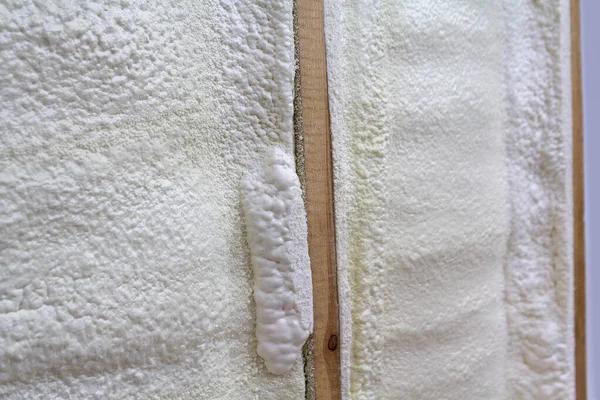
Spray foam insulation has gained popularity as an effective way to improve energy efficiency in homes and commercial buildings. However, understanding the real cost of spray foam insulation and what you actually get is essential before making a decision. The price of spray foam varies depending on several factors, including the type of foam used, the size and complexity of the area being insulated, labor costs, and regional pricing differences. On average, homeowners can expect to pay between $1.50 to $3.00 per square foot for open-cell spray foam and around $3.00 to $5.00 per square foot for closed-cell spray foam. These figures include both materials and installation but can fluctuate based on project specifics.
Open-cell spray foam is less dense and more affordable than closed-cell options but offers lower R-values (a measure of thermal resistance). Closed-cell spray foam provides higher R-values per inch, better moisture resistance, and added structural strength due to its rigid nature; however, it comes at a higher cost. Choosing between these types depends largely on your climate conditions, budget constraints, and specific insulation needs.
The upfront expense might seem steep compared to traditional insulation methods like fiberglass or cellulose batts; nevertheless, it’s important to consider long-term savings through reduced energy bills. Spray foam creates an airtight seal that prevents air leakage far more effectively than conventional insulation materials do. This results in improved heating and cooling efficiency throughout the year while also reducing drafts that can cause discomfort inside living spaces.
Another significant benefit is moisture control since closed-cell spray foams act as vapor barriers that help prevent mold growth by limiting water intrusion into walls or ceilings. This feature contributes not only to healthier indoor air quality but also extends the lifespan of building components by protecting them from rot or corrosion caused by excess moisture accumulation.
Installation quality plays a crucial role in maximizing benefits from spray foam insulation; improper application may lead to gaps or uneven coverage that compromise performance over time. It’s advisable to hire experienced professionals who use proper equipment for mixing and spraying products according to manufacturer guidelines.
While initial investment costs are higher than traditional alternatives, many property owners find value in enhanced comfort levels coupled with substantial utility bill reductions over time-often recouping their expenses within a few years through energy savings alone.
In summary, when evaluating whether spray foam insulation is worth the cost, consider not just the price tag but also its superior insulating properties, moisture control capabilities, durability advantages along with potential energy savings down the road-elements that collectively contribute toward increased home value and occupant comfort beyond immediate financial outlay.