
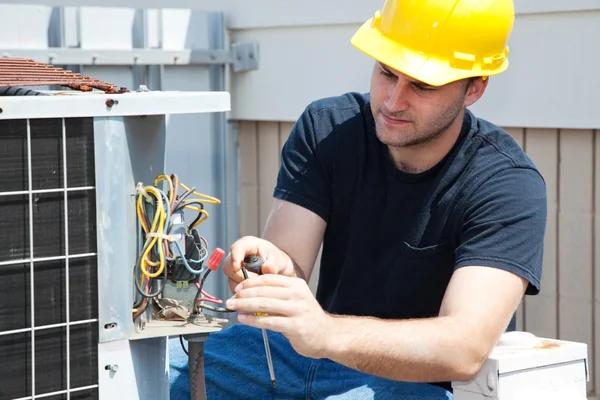
Proper maintenance of heating, ventilation, and air conditioning (HVAC) systems plays a crucial role in reducing energy consumption and lowering utility bills. An efficiently running HVAC system uses less power to maintain comfortable indoor temperatures, which benefits both the environment and homeowners financially. One of the most effective ways to save energy is by regularly changing or cleaning air filters. Dirty filters restrict airflow, forcing the system to work harder than necessary. This extra strain not only increases electricity usage but also accelerates wear and tear on components, potentially leading to costly repairs.
Another important aspect is ensuring that all vents and registers are clean and unobstructed. Blocked or closed vents can cause uneven cooling or heating throughout a home, prompting the HVAC unit to compensate by running longer cycles. Keeping these pathways clear allows for better air distribution and more consistent temperatures without excessive energy use. Additionally, scheduling routine professional inspections helps identify issues such as refrigerant leaks or malfunctioning parts early on before they escalate dive deeper into it more significant problems that reduce efficiency.
Thermostat settings also impact energy consumption significantly when paired with proper maintenance practices. Installing programmable thermostats enables users to set temperature schedules aligned with their daily routines, preventing unnecessary heating or cooling when spaces are unoccupied. Ensuring thermostat sensors are functioning correctly during maintenance visits further supports optimal performance by providing accurate readings that guide system operation.
Cleaning condenser coils annually is another vital task often overlooked but essential for maintaining good heat exchange efficiency in air conditioners and heat pumps. Dusty or dirty coils hinder the transfer of heat from inside your home to the outside environment during cooling seasons, causing compressors to consume additional electricity while trying to achieve desired temperatures.
Sealing ductwork properly reduces air leaks that waste conditioned air before it reaches living areas. Leaky ducts can lead up to 30% loss of heated or cooled air depending on their condition and placement within structures like attics or basements where temperature extremes occur frequently. During routine check-ups, technicians can inspect ducts for damage or disconnections so they may be sealed effectively using mastic sealant or metal tape designed specifically for this purpose.
Maintaining appropriate refrigerant levels ensures HVAC units operate under ideal conditions without overworking compressors due to insufficient coolant amounts. Low refrigerant not only diminishes system capacity but also raises operating costs because equipment runs longer cycles trying unsuccessfully to reach target temperatures.
In summary, consistent attention toward filter changes, vent cleanliness, coil upkeep, duct sealing efforts alongside professional tune-ups contribute substantially toward maximizing HVAC efficiency while minimizing wasted energy consumption throughout each season’s demands on residential climate control systems.