
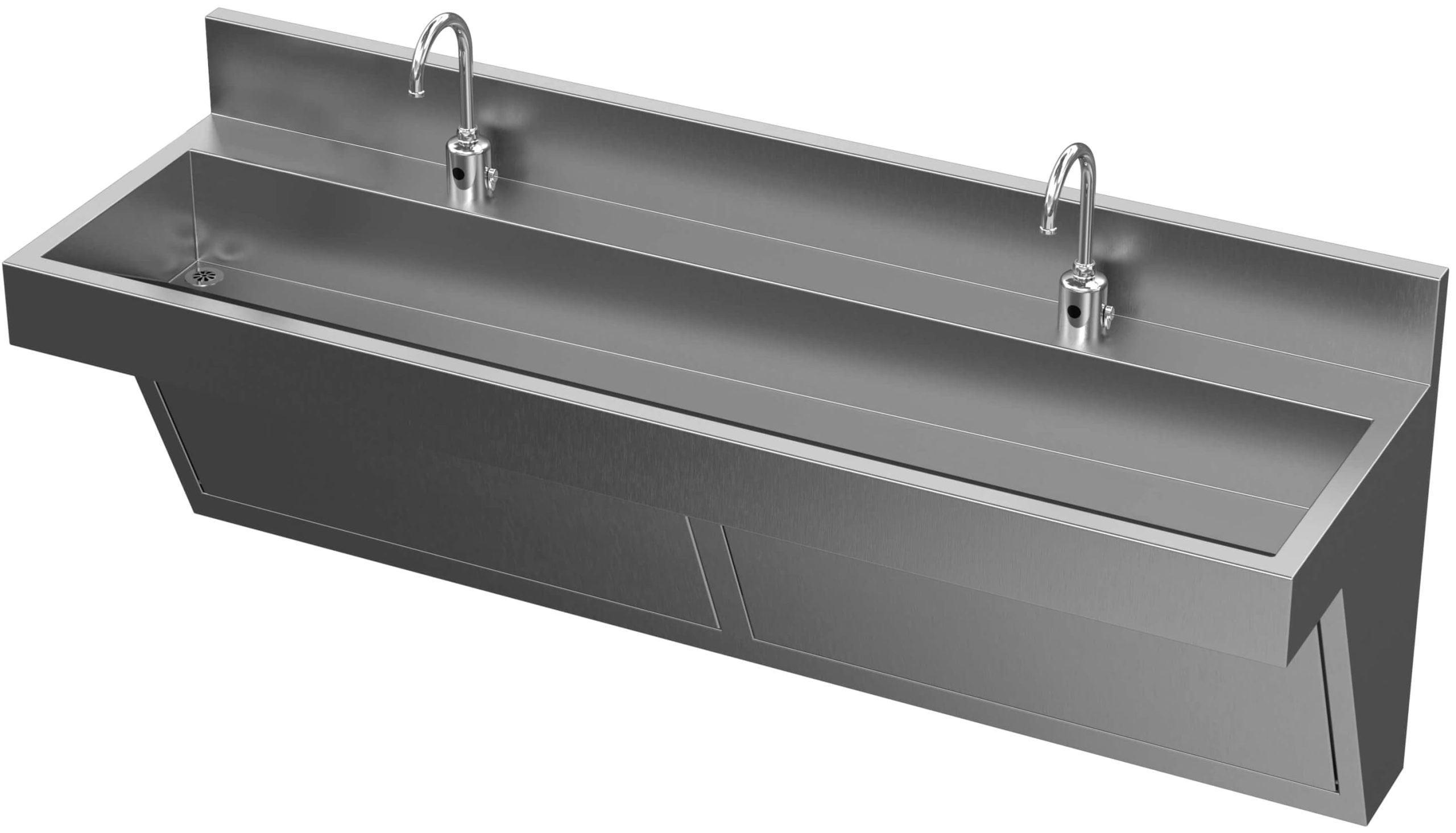
Choosing the right commercial sink is essential for creating an efficient kitchen workspace, especially in busy foodservice environments. A well-designed sink not only supports hygiene and safety standards but also enhances workflow by streamlining cleaning and preparation tasks. When considering commercial sink options, it is important to evaluate size, configuration, material, and additional features that suit specific kitchen needs.
Stainless steel remains the most popular material for commercial sinks due to its durability, resistance to corrosion, and ease of cleaning. It withstands heavy use while maintaining a professional appearance over time. The thickness of stainless steel varies; opting for a heavier gauge ensures greater strength and longevity under constant daily wear. Additionally, seamless welds improve sanitation by eliminating crevices where bacteria can accumulate.
The number of compartments in a sink plays a critical role in efficiency. Three-compartment sinks are standard in many kitchens because they facilitate proper washing, rinsing, and sanitizing processes required by health regulations. This setup allows staff to move through each step without cross-contamination or delay. For kitchens with higher volume or specialized tasks such as seafood preparation or vegetable washing, adding extra compartments can further optimize workflow.
Sink dimensions should align with available space while accommodating large pots and pans commonly used in commercial cooking. Deeper basins prevent splashing during vigorous scrubbing or rinsing activities but require ergonomic considerations so employees do not strain their backs when reaching inside frequently throughout shifts.
Additional accessories enhance functionality significantly; drainboards provide areas for drying dishes or staging ingredients near the sink area which reduces unnecessary movement across the kitchen floor. Integrated cutting boards fitted over one side of the sink help combine prep work with immediate access to water sources without cluttering countertops.
Foot pedals or sensor-activated faucets are valuable additions that promote hands-free operation improving hygiene by minimizing contact points that could spread germs between users during peak hours.
Installing splash guards between compartments helps contain water within designated areas keeping surrounding surfaces dry and safe from slips while also protecting adjacent equipment from moisture damage.
Drainage systems designed for quick emptying reduce downtime between tasks allowing continuous use without waiting on clogged drains or slow outflow rates which can disrupt service flow during busy periods.
Ultimately selecting a Commercial Sink tailored specifically to operational demands boosts productivity by enabling smoother transitions between cleaning phases while supporting compliance with sanitation standards vital in any professional kitchen setting. Investing time into evaluating these factors ensures that your kitchen workspace remains organized, efficient, and capable of handling high-volume workloads effectively every day.