
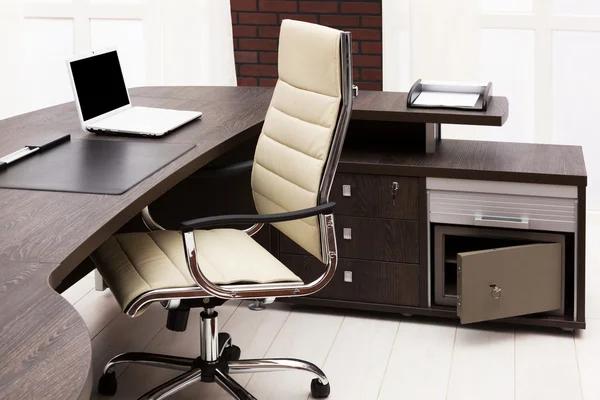
In recent years, the landscape of professional office design has undergone a significant transformation. Modern office furniture trends are increasingly focused on creating environments that foster productivity, collaboration, and employee well-being. As businesses recognize the importance of an inspiring workspace, they are investing in innovative furniture solutions that reflect contemporary needs and aesthetics.
One prominent trend is the shift towards flexible workspaces. Traditional cubicles and fixed desks are being replaced by adaptable layouts that allow for easy reconfiguration. Modular furniture systems enable offices to transform spaces swiftly to accommodate different activities or team sizes. This flexibility not only maximizes space utilization but also supports dynamic work styles, promoting creativity and interaction among employees.
Ergonomics continues to be a focal point in modern office design. Employers are prioritizing the health and comfort of their staff by investing in ergonomic chairs, adjustable desks, and supportive accessories like footrests and monitor arms. These elements help reduce physical strain during long working hours, contributing to improved focus and overall job satisfaction.
Sustainability is another key consideration driving current furniture trends. Companies are increasingly opting for environmentally friendly materials such as recycled metals, sustainable wood sources, and low-VOC finishes. This commitment not only aligns with corporate social responsibility goals but also appeals to eco-conscious employees who value sustainability initiatives.
The integration of technology into office furniture is revolutionizing how professionals interact with their workspace. Desks with built-in charging ports or wireless charging capabilities cater to tech-savvy workers who rely heavily on electronic devices throughout the day. Smart furniture solutions equipped with sensors can provide valuable data on usage patterns or environmental conditions like light levels or air quality—find more information that can be used to optimize both individual performance and overall workplace efficiency.
Aesthetic appeal remains crucial in modern office design as well; however, it now goes beyond mere visual attractiveness—it’s about creating spaces that resonate emotionally with employees while reflecting brand identity effectively too! Contemporary designs often feature clean lines combined alongside natural textures (such as wood grain) which evoke warmth yet maintain professionalism simultaneously; this balance encourages positive atmospheres conducive toward productivity without compromising style!
Collaborative zones have become integral parts within today’s offices where informal meetings occur spontaneously amongst colleagues sharing ideas freely across open-plan areas complete comfortable seating arrangements fostering teamwork innovation alike! Meanwhile private pods soundproof booths offer solitude necessary when concentration confidentiality required ensuring everyone finds suitable environment regardless task at hand!
In conclusion evolving demands workforce coupled advancements technology drive continual evolution professional environments worldwide adopting latest trends ensures organizations remain competitive attracting retaining top talent enhancing operational success long term basis through thoughtful implementation forward-thinking strategies tailored meet diverse needs modern-day professionals seeking harmonious blend functionality aestheticism sustainability within workspaces they inhabit daily lives!