
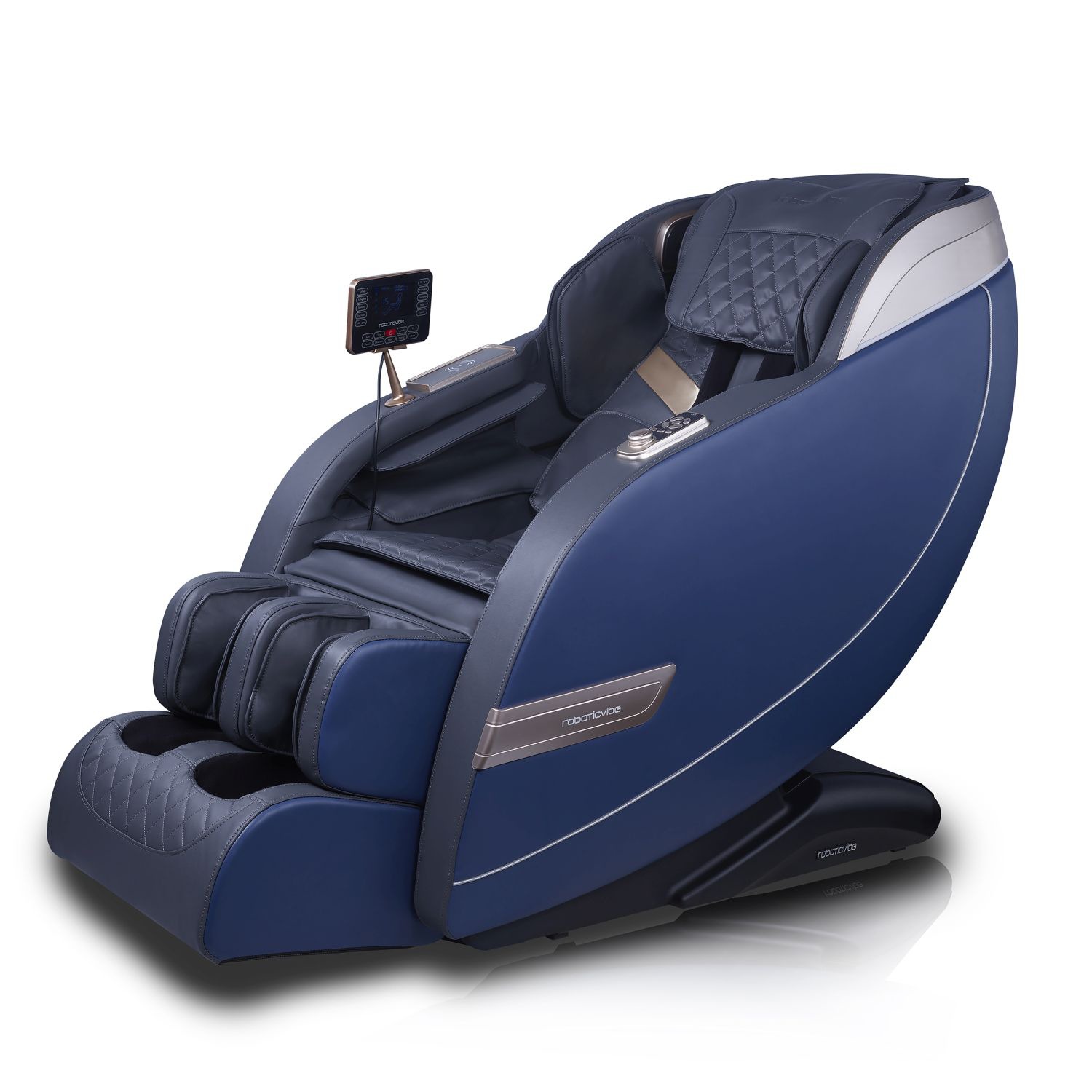
Massage chairs have become increasingly popular as a convenient way to relieve muscle tension and promote relaxation. For individuals with back issues, the question of whether massage chairs are safe is both important and nuanced. While these devices offer potential benefits, it is essential to consider various factors before incorporating them into a health routine.
Massage chairs work by mimicking the techniques used in traditional massage therapy, such as kneading, rolling, tapping, and compression. These actions can help increase blood circulation, reduce muscle stiffness, and alleviate pain. For people suffering from chronic back pain or muscular discomfort caused by conditions like sciatica or lumbar strain, a massage chair reviews might provide temporary relief by relaxing tight muscles and improving mobility.
However, safety concerns arise when considering the severity and type of back issue involved. Individuals with certain spinal conditions-such as herniated discs, osteoporosis, fractures, or severe scoliosis-should exercise caution. The mechanical pressure applied by massage chairs may exacerbate symptoms or cause further injury if not properly adjusted for their specific needs. It is crucial that users consult healthcare professionals before using a massage chair to ensure it aligns with their medical condition.
Another factor influencing safety is the customization options available on different models of massage chairs. High-quality chairs often come equipped with adjustable intensity settings and targeted massage zones that allow users to avoid areas of sensitivity or injury. This feature can enhance safety for people with back problems by providing gentle massages tailored to individual comfort levels.
Moreover, duration of use plays an important role in maintaining safety while using a massage chair. Prolonged sessions may lead to overstimulation of muscles or nerves resulting in increased discomfort rather than relief. Experts typically recommend starting with short sessions-around 10 to 15 minutes-and gradually increasing time based on tolerance.
In addition to physical considerations, psychological factors should not be overlooked. Some individuals may experience anxiety about using automated devices for therapeutic purposes; this stress can counteract any positive effects gained from the massage itself.
In summary, massage chairs can be beneficial for many people experiencing mild to moderate back discomfort when used appropriately and under professional guidance. They offer convenience and effective muscle relaxation but must be approached cautiously by those with serious spinal conditions or injuries. Consulting a healthcare provider prior to use ensures that any underlying risks are minimized while maximizing potential benefits for overall back health and well-being.