
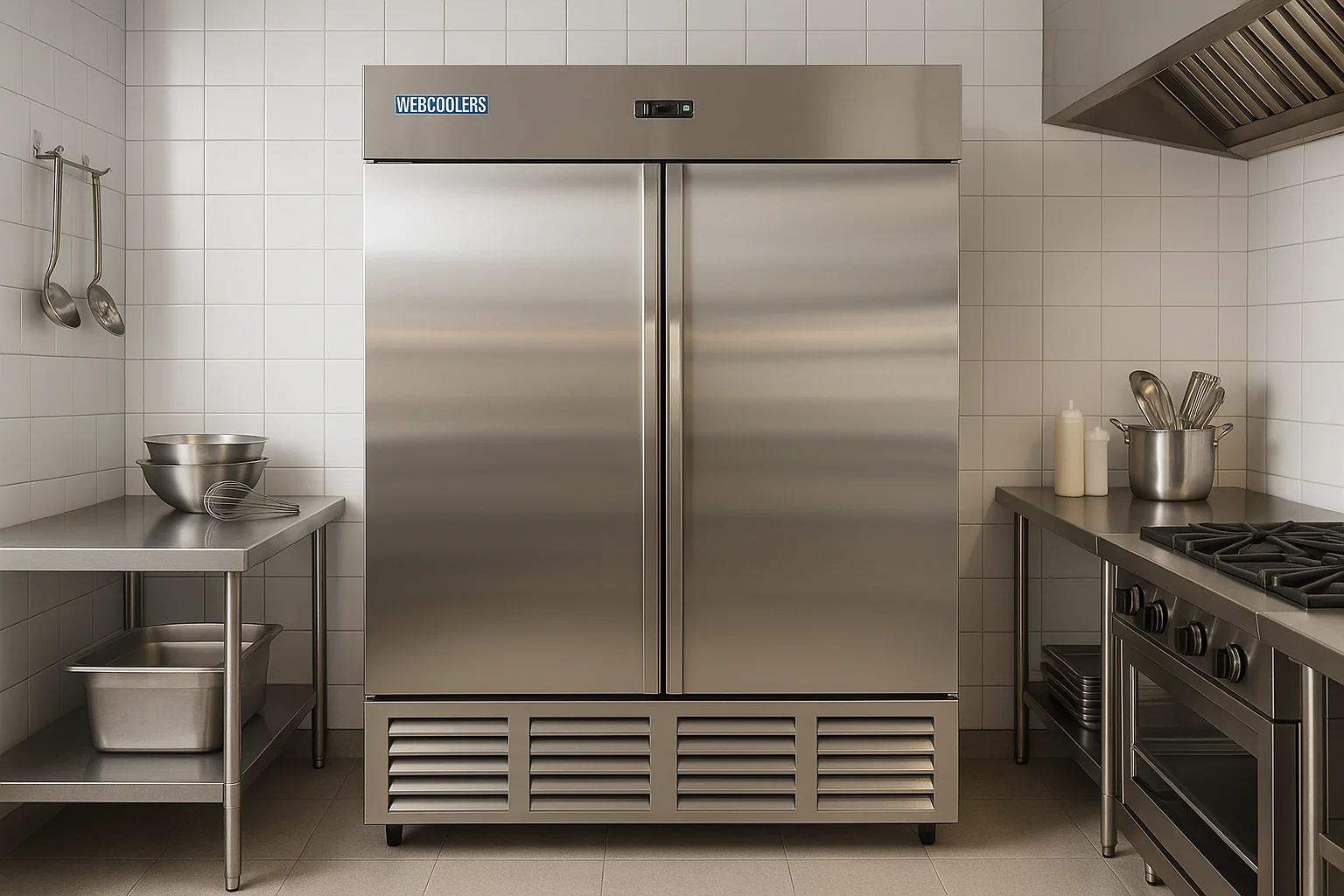
When considering commercial refrigeration, many focus primarily on the initial purchase price, but this is only one aspect of the total cost. Understanding the true expense requires evaluating not just the upfront investment but also ongoing power consumption and maintenance requirements. These factors collectively determine how economically viable a refrigeration unit will be over its operational lifespan.
The purchase cost of commercial refrigeration varies widely depending on size, brand, features, and technology. Basic models may be affordable initially but could lack energy efficiency or durability. Conversely, higher-end units often come with advanced insulation, digital controls, and environmentally friendly refrigerants that can reduce long-term expenses despite a steeper initial price tag. It is essential to assess your specific needs carefully before making a decision since an ill-suited model might lead to unnecessary costs down the line.
Energy consumption represents a significant portion of ongoing expenses for commercial refrigerators. These appliances typically run continuously to maintain consistent temperatures crucial for food safety and product quality. Older or poorly maintained units tend to consume more electricity due to inefficient compressors or degraded insulation materials. Investing in energy-efficient models certified by recognized programs can substantially lower utility bills while reducing environmental impact. Additionally, proper placement away from heat sources and regular cleaning of condenser coils contribute to optimal performance and lower power usage.
Maintenance costs are another critical component that impacts the overall expenditure associated with Commercial Refrigeration systems. Regular servicing ensures reliability by preventing breakdowns that could result in spoiled inventory or costly emergency repairs. Common maintenance tasks include checking refrigerant levels, inspecting electrical connections, lubricating moving parts, and replacing worn seals or gaskets as needed. Neglecting these duties often leads to decreased efficiency and shortened equipment lifespan.
Beyond routine upkeep, unexpected repairs can strain budgets if components like compressors or fans fail prematurely due to inadequate care or manufacturing defects. Establishing a preventive maintenance schedule with qualified technicians helps identify potential issues early while spreading repair costs more predictably over time.
Ultimately, calculating the true cost of commercial refrigeration demands a holistic approach encompassing purchase price alongside anticipated energy use and upkeep expenses throughout its service life. Businesses should weigh these elements carefully when selecting equipment tailored to their operational requirements rather than focusing solely on sticker prices alone. Making informed decisions about acquisition and maintenance strategies not only optimizes financial outcomes but also supports sustainable practices within demanding commercial environments where reliable cooling is indispensable for success.