
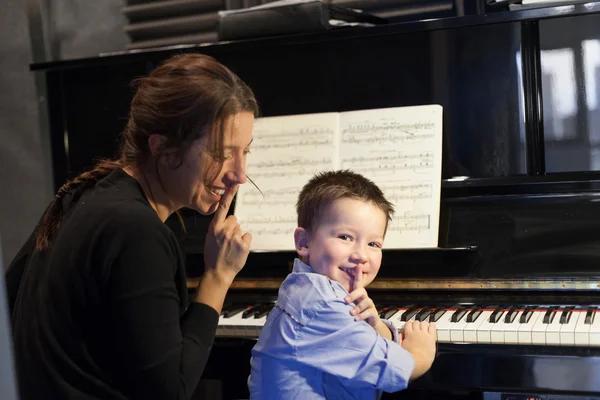
Piano education is a journey that involves not just the student but also a collaborative effort between piano teachers and parents. This partnership plays a crucial role in nurturing the student’s musical growth, ensuring they achieve their full potential. The synergy between these two parties can create an environment conducive to learning, motivation, and success.
At the heart of this collaboration is communication. Regular dialogue between piano teachers and parents helps establish clear expectations and goals for the student. Teachers provide updates on progress, challenges faced by the student, and areas needing improvement. Parents, on their part, offer insights into the child’s preferences, practice habits at home, and any external factors that may influence learning. This exchange of information ensures that both parties are aligned in their efforts to support the student’s development.
Moreover, setting realistic goals is essential for maintaining motivation and tracking progress. Piano teachers often devise personalized lesson plans tailored to each student’s abilities and interests. By involving parents in this process, teachers can ensure that these goals are feasible within the context of the student’s overall schedule and commitments outside of lessons. Parents who understand what their child aims to achieve musically are better equipped to encourage consistent practice at home.
Practice is another critical component where collaboration proves invaluable. While teachers guide students during lessons with technical skills and musical interpretation, it is up click to discover create an effective practice environment at home. This includes establishing a regular practice routine free from distractions; providing encouragement; celebrating achievements no matter how small; or even participating in music-related activities together as a family which further reinforces learning through shared experiences.
Encouragement from both sides fosters resilience when facing challenges such as difficult pieces or performance anxiety—common hurdles young musicians encounter along their path towards proficiency—and cultivates confidence over time by acknowledging effort rather than perfection alone.
Furthermore—attending recitals or performances organized by schools/teachers shows solidarity/support which greatly boosts morale while offering constructive feedback afterward encourages reflection/growth instead of criticism/discouragement thus reinforcing positive reinforcement principles widely recognized across educational psychology disciplines today!
In conclusion—a successful partnership hinges upon mutual respect/trust open lines-of-communication active involvement genuine interest commitment towards achieving shared objectives/goals ultimately culminating into enriched/enjoyable fulfilling rewarding experience benefiting all stakeholders involved especially most importantly—the budding pianist themselves! Through teamwork understanding empathy patience dedication unwavering belief potential inherent within every aspiring musician regardless age ability level background circumstances surrounding them anything possible when working hand-in-hand collaboratively towards common purpose goal vision future filled endless possibilities opportunities awaiting discovery exploration realization dreams aspirations alike!