
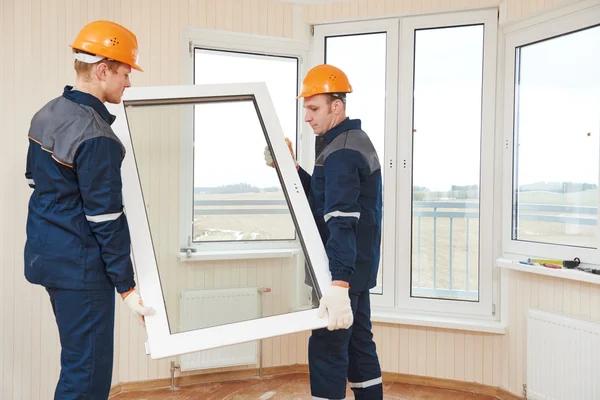
When considering window installation services, understanding the factors that affect the overall cost is essential for budgeting and making informed decisions. Several variables influence the price, ranging from the type of window chosen to the complexity of the installation process. One of the primary elements impacting cost is the material of the window frame. Common options include vinyl, wood, aluminum, and fiberglass, each with different price points. Vinyl windows tend to be more affordable and require less maintenance, whereas wood frames usually come with a higher price due to their aesthetic qualities and durability. Fiberglass and aluminum options often fall somewhere in between, with their costs influenced by quality and finish.
The size and style of the window also play a significant role in determining the price. Larger windows require learn more about our solutions materials and labor, naturally increasing the overall expense. Additionally, custom shapes or specialty designs, such as bay windows, bow windows, or double-hung models, generally cost more than standard rectangular single or double-pane windows. The complexity of the window’s design can affect installation time and the skill level required, which can further impact the price.
Another critical factor is the condition of the existing window frame and surrounding wall. If the old window needs to be removed or if the frame is damaged, repairs or modifications may be necessary before installation can proceed. This added work can increase labor costs. In some cases, structural repairs or adjustments to the wall opening are required to accommodate the new window, which will also raise expenses. The ease of access to the installation site influences labor costs; windows located on upper floors or in hard-to-reach places may require additional equipment or safety measures, contributing to higher fees.
The choice of glass affects both upfront costs and energy efficiency. Double or triple-pane windows with low-emissivity coatings and gas fills provide better insulation but come at a premium compared to single-pane glass. These energy-efficient options may reduce long-term utility bills, so the initial investment should be weighed against potential savings.
Labor costs vary by region and the experience of the installation contractor. Highly skilled professionals may charge more, but the quality and warranty of their work often justify the price. Some companies include removal and disposal of old windows, while others charge extra for this service.
Permits and local building codes might also influence the cost. Depending on the location, obtaining permits could be necessary, adding to the total expense. Overall, the cost of window installation depends on a combination of materials, window specifications, site conditions, labor, and regulatory requirements. Understanding these factors helps homeowners plan and choose options that balance quality, functionality, and budget.