
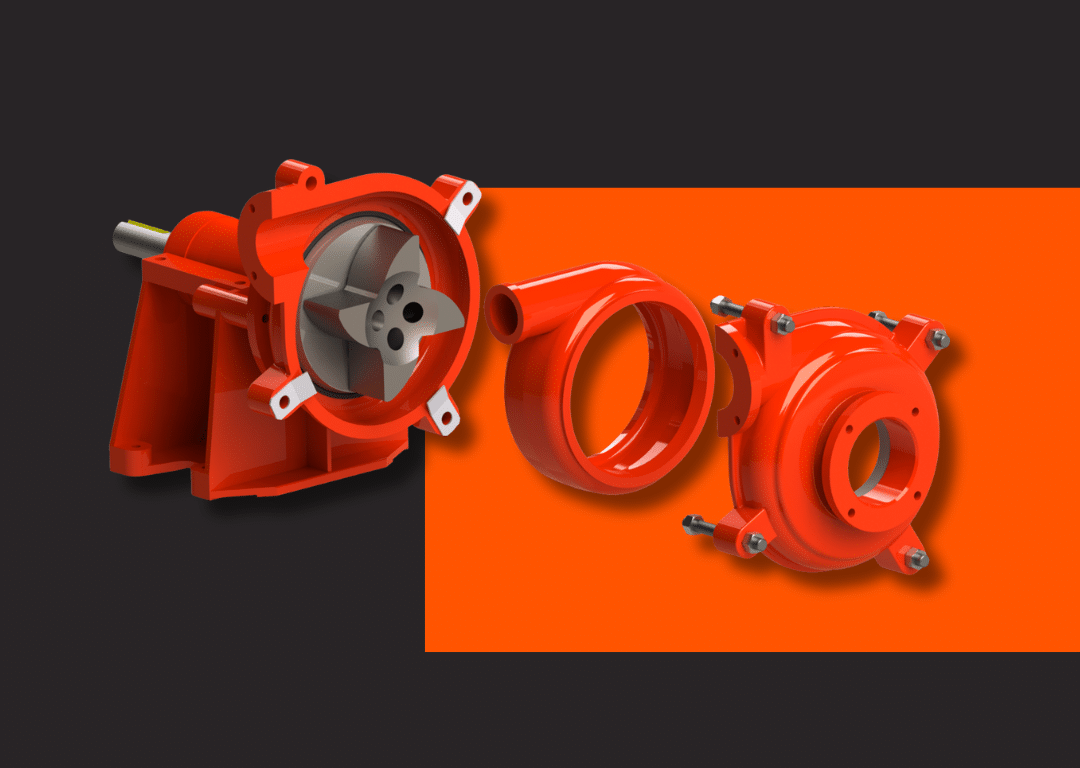
Hydraulic cement pumps play a crucial role in modern civil engineering projects, offering efficient and reliable solutions for the transportation and placement of concrete. These specialized pumps are designed to handle highly viscous materials like cement slurry, enabling large volumes of concrete to be moved quickly over considerable distances with minimal labor. The versatility and efficiency of hydraulic cement pumps have made them indispensable in various construction activities, ranging from small-scale repairs to massive infrastructure developments.
One of the primary uses of hydraulic cement pumps in civil engineering is during the construction of foundations and structural components. When building foundations for bridges, buildings, or dams, it is essential to place concrete accurately and uniformly within formwork or drilled shafts. Hydraulic cement pumps facilitate this by delivering continuous flow under pressure, ensuring that the concrete reaches even hard-to-access areas without segregation or loss of material quality. This precision improves structural integrity and reduces the likelihood of voids or weak spots that could compromise safety.
In tunneling projects, hydraulic cement pumps are extensively employed for grouting operations. Grouting involves injecting a fluid mixture into soil or rock formations to stabilize them before excavation begins or after tunnels have been bored. Cement-based grout pumped through high-pressure systems fills cracks and voids around tunnel linings, preventing water ingress and enhancing ground stability. The ability to pump grout efficiently into confined spaces helps maintain safe working conditions underground while minimizing delays caused by ground movement.
Additionally, hydraulic cement pumps are vital in repairing damaged structures such as bridges, retaining walls, and pavements. In these scenarios, quick-setting hydraulic cements can be pumped directly into cracks or eroded sections to restore strength rapidly without extensive dismantling work. This method not only saves time but also extends the lifespan of existing infrastructure by providing durable repairs that resist environmental stressors like freeze-thaw cycles and chemical exposure.
Large-scale civil engineering projects such as dams often require underwater concreting where conventional pouring methods are impractical due to water currents or depth constraints. Hydraulic cement pumping systems enable controlled placement beneath water surfaces by using tremie pipes connected to powerful pumps that push concrete steadily downward until it settles properly on submerged forms.
Moreover, road construction benefits from hydraulic cement pumping technology when laying down stabilized base layers composed of soil cement mixer mixtures. Pumps ensure uniform distribution across wide areas quickly while reducing manual handling risks associated with traditional mixing techniques.
In summary, hydraulic cement pumps enhance productivity, accuracy, and safety across numerous civil engineering applications involving concrete placement and grouting processes. Their capacity to transport thick mixtures under pressure makes them invaluable tools for foundational work, tunneling support systems, structural repair initiatives as well as underwater concreting tasks-all critical elements contributing toward resilient infrastructure development worldwide.